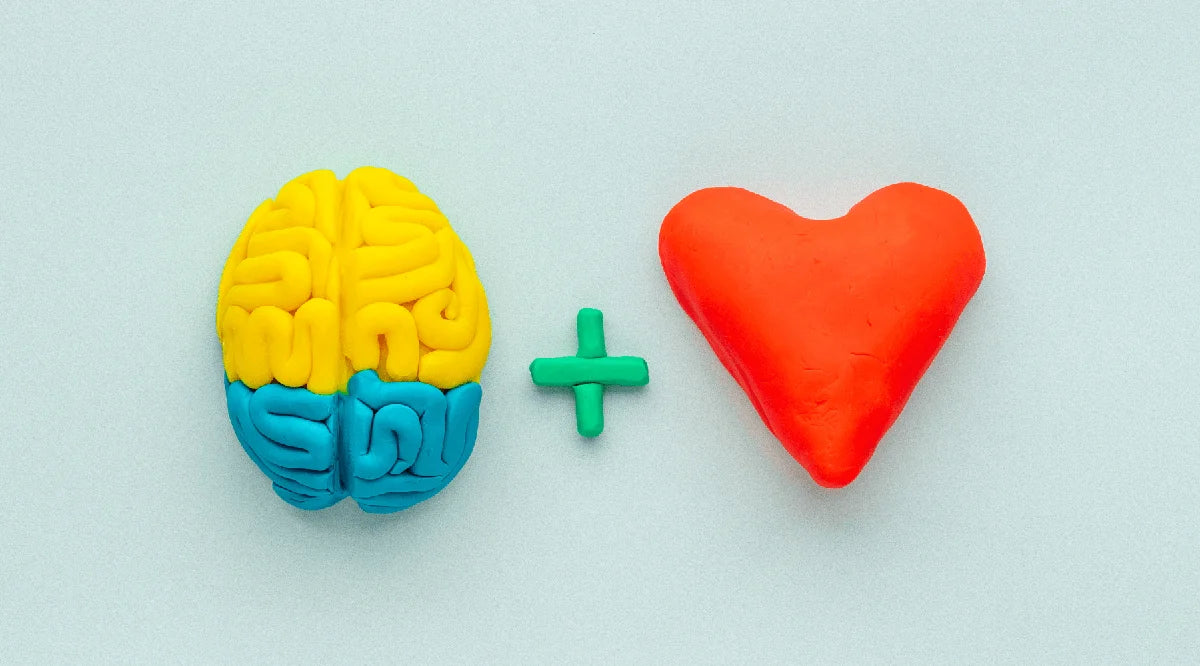
Why Emotional Intelligence Is Essential for Professional Success
In today’s fast paced work environment, technical skills alone aren’t enough.
Many professionals struggle with difficult conversations, managing stress, or navigating different personalities in the workplace. Miscommunication can lead to frustration, conflict, and reduced productivity, impacting both individuals and teams.
This is where emotional intelligence makes a real difference.
What is Emotional Intelligence?
Emotional Intelligence (EI) is the ability to recognise, understand, and manage your own emotions, while also being aware of and responding effectively to the emotions of others.
It influences how we communicate, build relationships, handle pressure, and make decisions.
At its core, EI is made up of four key areas:
- Self awareness
- Self management
- Social awareness
- Relationship management
Developing these skills can transform the way you work and interact with others.
Why Emotional Intelligence Matters at Work
Workplaces are built on relationships. Whether you’re collaborating with colleagues, leading a team, or working with clients, emotional intelligence plays a critical role in how successful those interactions are.
Strong emotional intelligence can help you:
- Communicate clearly and avoid misunderstandings
- Manage stress and remain calm under pressure
- Navigate conflict with confidence
- Build trust and stronger working relationships
- Lead and influence others more effectively
Without it, even the most skilled professionals can struggle to connect, collaborate, and perform at their best.
Common Workplace Challenges EI Can Solve
Many of the challenges people face at work are not technical, they’re emotional..
You might recognise some of these:
- Conversations that escalate quickly or feel uncomfortable
- Difficulty dealing with challenging personalities
- Feeling overwhelmed in high-pressure situations
- Misreading tone or intent in communication
- Struggling to give or receive feedback
Emotional intelligence provides practical tools to manage these situations more effectively.
Practical Ways to Build Emotional Intelligence
The good news is that emotional intelligence can be developed.
Here are a few simple ways to start:
- Pause before reacting in difficult situations
- Reflect on your emotional triggers and patterns
- Practice active listening without interrupting
- Show empathy by acknowledging others’ perspectives
- Focus on responding thoughtfully rather than reacting impulsively
Small changes in awareness and behaviour can have a big impact over time.
Developing Emotional Intelligence in Your Team
For organisations, investing in emotional intelligence is investing in better communication, stronger leadership, and healthier workplace culture.
When teams are emotionally aware:
- Collaboration improves
- Conflict is handled constructively
- Employee engagement increases
- Leaders are more effective and trusted
It creates an environment where people feel heard, respected, and supported.
Take the Next Step
Emotional intelligence is not just a “nice to have”, it’s an essential workplace skill.
Our Emotional Intelligence course is designed to help individuals and teams build self-awareness, strengthen communication, and confidently navigate workplace challenges.
Through practical exercises, real world scenarios, and expert facilitation, participants leave with the tools they need to apply emotional intelligence in their day to day work.
Learn more, download the training menu, or book a session for your team today.

